
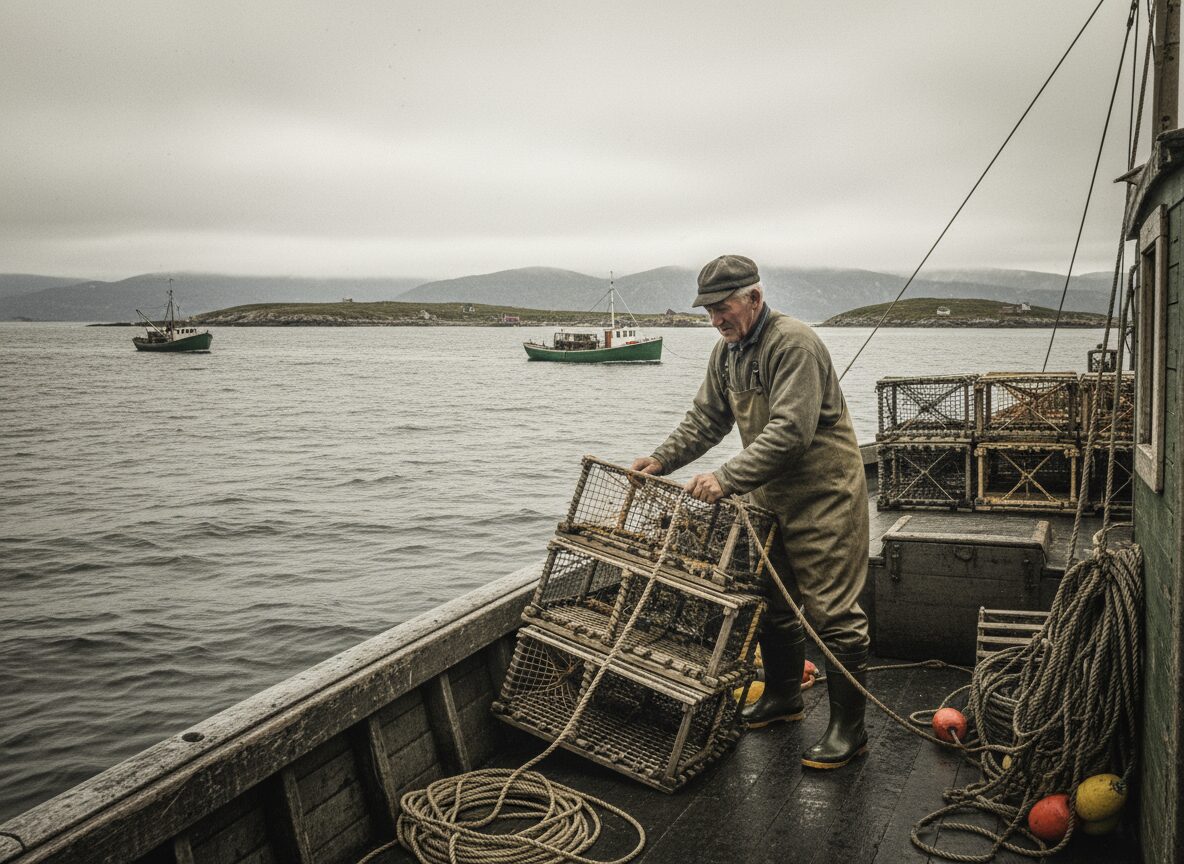
Before the sun rises over the Atlantic, the wharves of coastal Canada come alive. The hum of diesel engines, the clang of traps being stacked, and the crisp sea air all signal the start of another fishing day. Along the shores of Nova Scotia, New Brunswick, Prince Edward Island, and Newfoundland & Labrador, this daily rhythm has shaped life for generations. It’s more than just work, it’s tradition, community, and pride.
From Coastal Abundance to Maritime Industry
Lobster have long been part of Atlantic Canada’s story. In the early days, they were so plentiful that settlers could collect them by hand at low tide. By the mid-1800s, the fishery evolved into a thriving industry, complete with canneries and local processing plants that shipped lobster far beyond the region.
Across the Maritimes, families built their lives around the sea. Small wooden boats, handwoven traps, and long days on the water defined the coastal way of life. The sea provided not just a livelihood, but a deep sense of identity that continues to this day.
The Rise of the Trap Fishery
The invention of the lobster trap changed everything. Early wooden and wire traps allowed fishers to target lobster more efficiently while still maintaining balance with the ocean’s rhythms. As motorized boats replaced sail and oar, lobster fishers could work farther offshore and cover more ground.
By the early 1900s, over 700 canneries operated along the Atlantic coast, a testament to the booming demand. But with growth came new challenges. As stocks began to decline, governments introduced the first conservation rules: closed seasons, minimum size limits, and bans on harvesting egg-bearing females. These early steps laid the foundation for one of the most carefully managed fisheries in the world today.
Modern Lobstering: Tradition Meets Sustainability
Today’s lobster fishers still head out before dawn, hauling traps through the cold Atlantic surf much like their grandparents did. But the fishery has evolved into a model of sustainability and stewardship.
Modern management practices ensure that Atlantic lobster remains healthy and abundant for generations to come. These include:
- Trap limits to prevent overfishing
- V-notching, marking and releasing egg-bearing females so they can reproduce safely
- Seasonal openings and closures that give lobster populations time to replenish
- Strict licensing and monitoring to maintain healthy stock levels
These practices reflect the same respect for the sea that has guided East Coast fishers for centuries.
A Way of Life on the East Coast
There’s a rhythm to the lobster season that defines life in coastal towns. From Setting Day, when boats are blessed and the first traps hit the water, to the last hauls of the season, it’s a time marked by early mornings, teamwork, and pride.
Wharves buzz with energy, with family and friends helping to bait traps, load boats, and share a coffee before sunrise. It’s hard work, but it’s a way of life that embodies the spirit of Atlantic Canada: resilient, close-knit, and deeply connected to the ocean.
Why This History Matters to The Lobster Mobsters
At The Lobster Mobsters, every lobster shared carries this story of the East Coast, of hardworking lobster fishers, bustling wharves, and a legacy built on respect for the sea.
With roots in Prince Edward Island, The Lobster Mobsters are proud to represent the values that make Atlantic Canada’s fishery world-renowned: craftsmanship, sustainability, and an unbreakable bond between community and coast.
When enjoying Atlantic lobster from The Lobster Mobsters, you’re not just tasting incredible seafood, you’re experiencing generations of dedication, early mornings on the water, and a shared commitment to doing things the right way.
The Lobster Mobsters honour that heritage by sourcing responsibly and celebrating the people who make it all possible. Each lobster reflects what the East Coast is all about: authentic flavour, honest work, and respect for the ocean that sustains everyone.